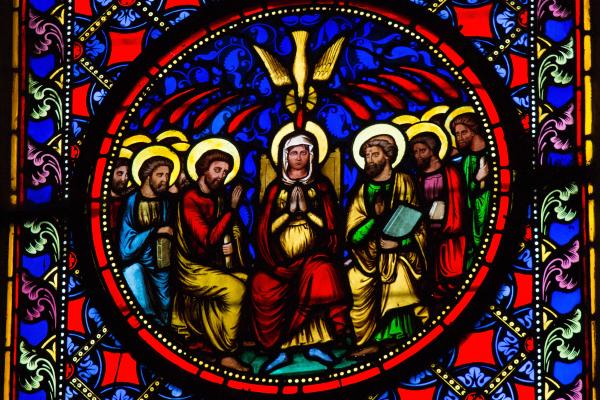
The El Rocío Pilgrimage, one of the biggest in the world and one with the largest crowds, has its origins in the year 1653, when the Virgin of Las Rocinas was appointed Patron Saint of Almonte and it was decided to set aside a feast day for her, which would be on 8th September. In 1758 that date was changed to the "second day of Pentecost" and there was also a change to the Virgin's name, Rocinas, which became Rocío. Furthermore, because of the Holy Spirit connection - the feast being during Pentecost - the Virgin was also given the name of White Dove.
Although the Pilgrimage properly speaking starts on the Saturday, the pilgrims begin this annual event by travelling the pilgrims' trail (which forms part of the whole ritual). This takes a few days, during which time they travel in each others' company, on foot, on horseback or in horse-drawn carriages, sleeping under the stars, until they reach the village.
Many pilgrims say that "El Rocío is travelling the trail" (meaning that travelling the pilgrims' route is the most important part of the pilgrimage) - because during those few days they travel in one another's company, pray, sing, live together as a fraternity, and make their way towards the One for whom they feel such devotion. The duration of the pilgrimage depends on how far the pilgrims' home town or village is from the Almontese village of El Rocío, but it can vary from 1 to 7 days.